
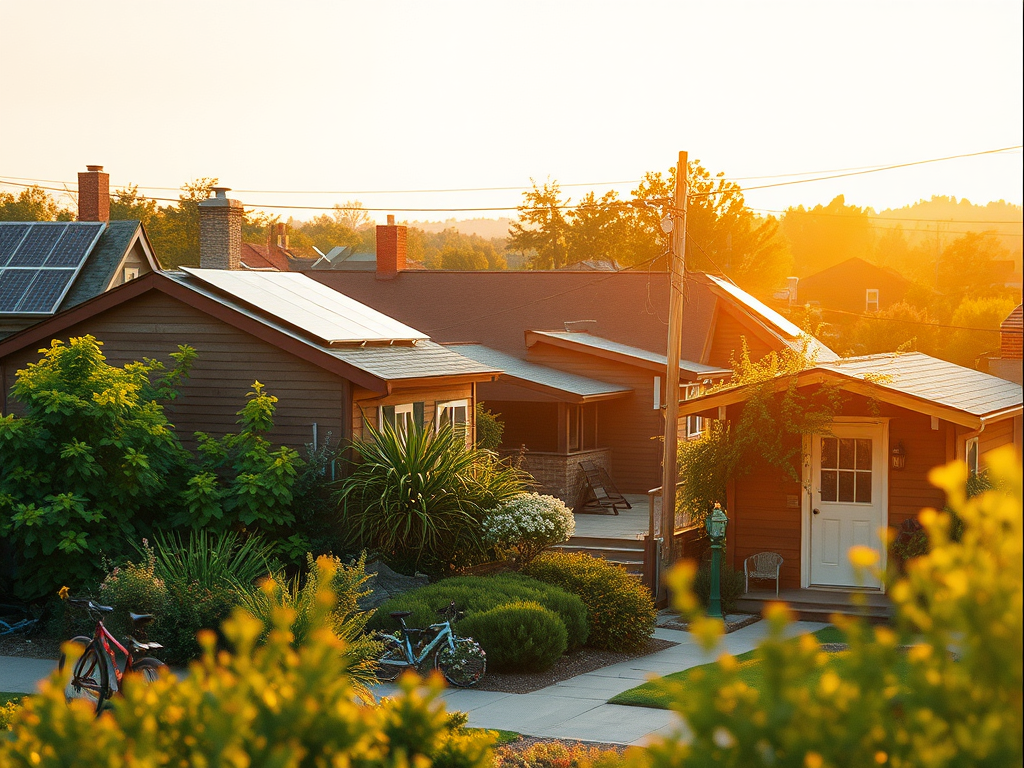
Introduction: The Rise of Eco-Friendly ADUs
Accessory Dwelling Units (ADUs) are more than just additional living spaces; they are a key component in creating sustainable housing solutions in Rhode Island. As urban areas grow and environmental concerns intensify, eco-friendly ADUs emerge as a smart choice for homeowners and the planet.
1. Reducing Urban Sprawl
ADUs contribute significantly to reducing urban sprawl. By allowing homeowners to maximize their existing properties, ADUs prevent the need for new developments that encroach on natural landscapes.
- Infill Development: Building ADUs utilizes vacant lots and existing infrastructure, reducing the demand for new land.
- Smart Growth Principles: Encouraging denser, multi-use neighborhoods leads to less reliance on cars and promotes walking, biking, and public transportation.
2. Lowering Energy Consumption
Eco-friendly ADUs can be designed to be highly energy-efficient, lowering the overall energy consumption for homeowners.
- Energy-Efficient Designs: Utilizing passive solar design, high-quality insulation, and energy-efficient appliances reduces energy usage.
- Renewable Energy Sources: Many ADUs incorporate solar panels or other renewable energy solutions, further decreasing their carbon footprint.
3. Supporting Sustainable Materials
The construction of ADUs often emphasizes sustainable materials that are less harmful to the environment.
- Recycled and Locally Sourced Materials: Using materials that are recycled or sourced locally minimizes transportation emissions and supports local economies.
- Eco-Friendly Finishes: Choosing low-VOC paints and finishes contributes to better indoor air quality and less environmental impact.
4. Community Benefits
ADUs can promote stronger, more connected communities, which is essential for sustainability.
- Increased Density: With more people living in established neighborhoods, resources like public transportation, parks, and community services become more viable.
- Affordable Housing Solutions: ADUs provide a diverse range of housing options, making neighborhoods accessible for all income levels.
Conclusion: Building a Sustainable Future with ADUs
The environmental benefits of ADUs are clear: they reduce urban sprawl, lower energy consumption, and promote sustainable materials. By choosing to build an eco-friendly ADU, Rhode Island homeowners are making a commitment to sustainability, community, and a better future for generations to come.
Leave a Reply