
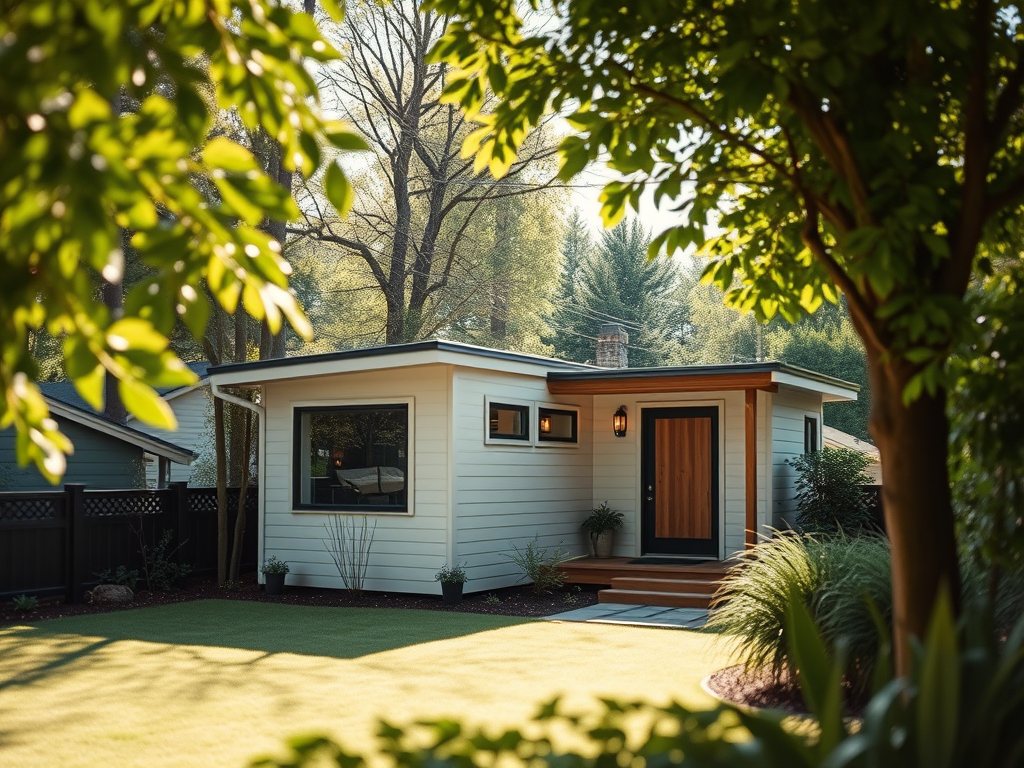
With the growing demand for affordable housing and flexible living options, Accessory Dwelling Units (ADUs) have become an increasingly popular solution across the country. In Rhode Island, recent changes to ADU laws have created new opportunities for homeowners to build these secondary living units on their property. However, navigating the specifics of Rhode Island ADU legislation can be challenging. In this guide, we’ll break down the key aspects of Rhode Island’s ADU laws, help you understand the zoning and permitting processes, and show you how Dwelly can streamline the entire journey from concept to construction.
Recent Changes to ADU Laws in Rhode Island
In an effort to address the housing shortage and encourage sustainable development, Rhode Island passed new legislation in 2023 making it easier for homeowners to build ADUs on their property. These legislative changes have relaxed some of the zoning restrictions and streamlined the approval process for ADU construction. Homeowners can now add an ADU on any residential property without requiring special zoning approval, provided they meet the specific building and safety requirements.
The updated laws are designed to encourage the development of both attached and detached ADUs, offering Rhode Island residents more flexibility in how they use their property. Whether you’re looking to create additional rental income, provide housing for aging family members, or simply maximize your property’s utility, these changes make building an ADU a viable option.
Overview of Rhode Island’s ADU Legislation
Rhode Island’s new ADU legislation opens up several possibilities for homeowners, but it’s important to understand the guidelines and restrictions. Here’s what you need to know:
- Zoning Flexibility: ADUs are now permitted on any property zoned for residential use, regardless of lot size or existing structures. This change significantly expands the potential for ADU development across the state.
- Types of ADUs Allowed: Homeowners can build both attached ADUs (like basement apartments or garage conversions) and detached ADUs (such as backyard cottages). However, the total square footage of the ADU may be limited by local zoning regulations and building codes.
- Occupancy and Rental Restrictions: Some municipalities may have specific occupancy limits or require that either the primary residence or the ADU be owner-occupied. Additionally, short-term rentals (such as Airbnb) may be restricted in certain areas.
- Parking Requirements: Most municipalities require that ADU developments include off-street parking. However, these requirements can vary depending on location, proximity to public transit, and other factors.
How to Navigate Zoning and Permitting for ADUs in Rhode Island
Navigating Rhode Island’s zoning and permitting process can be complex, but understanding the steps involved will help streamline your ADU project. Here’s a basic overview:
- Research Local Zoning Laws: While Rhode Island’s statewide legislation is relatively permissive, individual municipalities may have their own specific rules regarding ADU development. It’s essential to check with your local planning department to determine what’s allowed in your area.
- Submit a Site Plan: Most municipalities will require you to submit a site plan showing the location of the ADU on your property, along with details about the size, height, and setbacks of the structure. You may also need to provide architectural plans and details on utilities, such as plumbing and electrical connections.
- Apply for Permits: Depending on your ADU’s design and location, you’ll likely need to apply for building, electrical, and plumbing permits. In some cases, additional permits may be required for issues such as water management or tree removal.
- Inspection and Approval: Once your permits are approved, construction can begin. During and after the construction process, your ADU will be subject to inspections to ensure it meets all building code requirements.
Common Challenges Rhode Island Homeowners Face During the Approval Process
While Rhode Island’s ADU laws have made it easier to build secondary units, homeowners can still encounter a few challenges during the approval process. Some common issues include:
- Zoning Conflicts: Despite the statewide changes, some municipalities have yet to fully align with the new ADU legislation. You may encounter local restrictions that complicate your project, such as stricter setback requirements or limits on the size of detached ADUs.
- Permit Delays: As demand for ADUs increases, so does the workload for local permitting departments. Homeowners may experience delays in the review and approval of their site plans and permits, which can slow down the overall project timeline.
- Utility Connections: Connecting your ADU to existing utilities, such as water, sewer, and electricity, can present logistical and financial challenges, especially for detached units. You’ll need to ensure your property’s infrastructure can accommodate the additional load.
- Neighbor Concerns: Some homeowners may face pushback from neighbors who are concerned about increased density, parking, or changes to the neighborhood character. It’s important to communicate openly with your neighbors and address any concerns early in the planning process.
How Dwelly Can Streamline Your ADU Permit Process
At Dwelly, we understand the complexities of building an ADU in Rhode Island, and we’re here to help you every step of the way. Our team of experts can assist you in navigating the permitting process, ensuring that your ADU design complies with local regulations and building codes.
Here’s how Dwelly simplifies the process:
- Pre-Approved Plans: We offer a range of pre-approved ADU designs that are tailored to meet Rhode Island’s building and zoning requirements. These permit-ready plans can help expedite the approval process and reduce the time and cost associated with custom designs.
- Permit Assistance: Our experienced team can handle the permitting process on your behalf, ensuring that all paperwork is submitted correctly and on time. We work closely with local planning departments to ensure a smooth and efficient approval process.
- Sustainability Focus: At Dwelly, we prioritize sustainable building practices. We can help you incorporate eco-friendly materials and energy-efficient systems into your ADU design, ensuring that your new unit is both environmentally responsible and cost-effective.
Conclusion: What These Laws Mean for Homeowners Looking to Build ADUs
Rhode Island’s new ADU legislation has opened the door to more flexible and sustainable housing options for homeowners across the state. Whether you’re looking to create additional rental income, provide housing for family members, or increase the value of your property, building an ADU can be a smart investment. By understanding the laws, navigating the permitting process, and partnering with an experienced team like Dwelly, you can successfully bring your ADU vision to life.
Ready to get started on your ADU project? Contact Dwelly today to learn more about how we can help you design and build a sustainable, permit-ready ADU that meets Rhode Island’s new legislative requirements.
Leave a Reply