
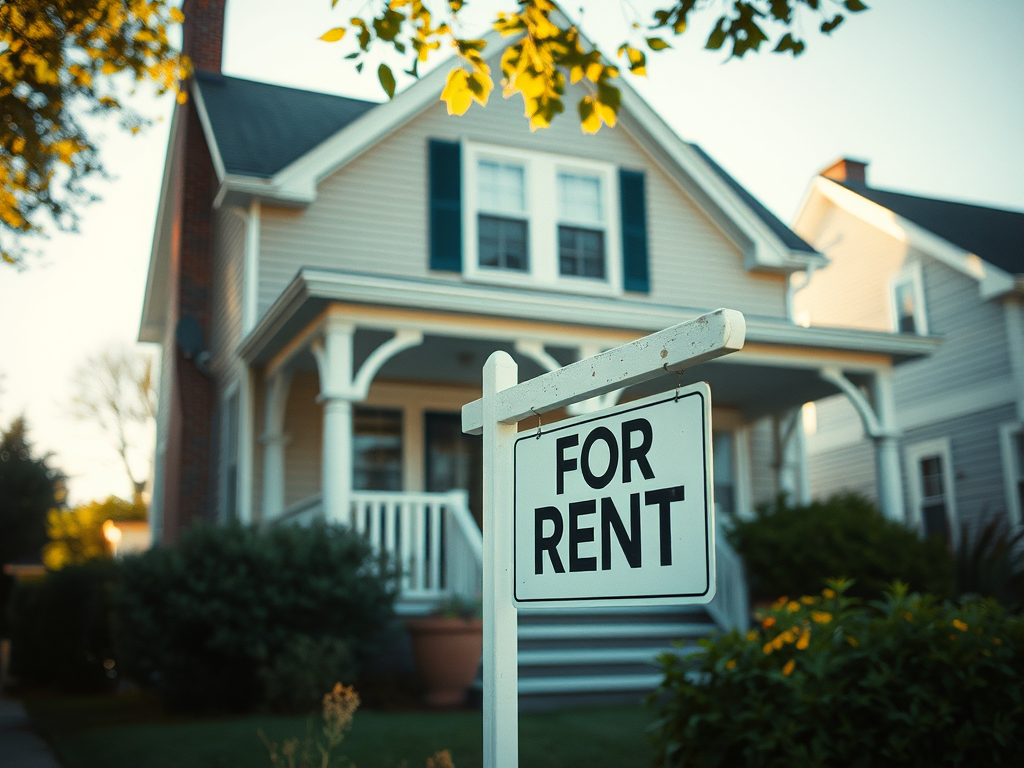
Rhode Island faces a significant affordable housing crisis, with many residents struggling to find suitable and cost-effective living arrangements. Accessory Dwelling Units (ADUs) have emerged as a viable solution to this pressing issue. In this article, we will explore how ADUs can help alleviate Rhode Island’s affordable housing challenges, the economic benefits they offer, successful examples from other states, and how Dwelly’s ADU plans are specifically designed to meet the needs of Rhode Island homeowners.
Overview of Rhode Island’s Affordable Housing Challenges
Rhode Island’s housing market has seen a dramatic increase in demand, driven by rising property values and a lack of available inventory. Many families and individuals find themselves priced out of traditional housing options, leading to a growing number of residents facing housing insecurity. The state’s affordable housing crisis requires innovative solutions, and ADUs present a promising opportunity to create more affordable living spaces.
How ADUs Can Create More Affordable Living Spaces for Families and Individuals
ADUs can provide an ideal solution for families and individuals seeking affordable housing options. These secondary units can be built on existing residential properties, allowing homeowners to utilize their land more efficiently. Here’s how ADUs can contribute to affordable housing:
- Increased Supply: By adding more units to the housing market, ADUs help meet the demand for affordable living spaces, particularly in urban and suburban areas where housing shortages are most acute.
- Flexible Options: ADUs can cater to various living situations, from elderly relatives seeking independence to young professionals looking for affordable rental options. This flexibility allows homeowners to adapt their spaces to changing family dynamics.
- Lower Rent: Homeowners who rent out their ADUs can provide more affordable housing alternatives than traditional rental markets. This arrangement benefits both landlords and tenants, promoting community stability.
The Economics of ADUs—How They Provide Housing at Lower Costs
ADUs offer a cost-effective housing solution for several reasons:
- Lower Construction Costs: Building an ADU is typically less expensive than constructing a new single-family home. Homeowners can take advantage of existing infrastructure, such as utilities and access roads, which can significantly reduce overall construction costs.
- Increased Property Value: Adding an ADU can enhance a property’s value, providing homeowners with a potential return on investment. This increase in value can be beneficial if homeowners decide to sell or refinance in the future.
- Rental Income: Homeowners can offset their mortgage payments by renting out their ADUs, making homeownership more affordable. This rental income can provide financial stability, allowing homeowners to remain in their properties longer.
Examples of How ADUs Have Already Made an Impact on Affordable Housing in Other States
Several states have successfully implemented ADUs as a solution to affordable housing crises:
- California: In California, the state government has passed legislation encouraging the development of ADUs to combat housing shortages. Cities like Los Angeles have seen a significant increase in ADU construction, leading to more affordable housing options for residents.
- Oregon: Oregon has also embraced ADUs as a tool for affordable housing, with cities like Portland implementing streamlined permitting processes. The result has been a notable increase in ADUs, contributing to the availability of affordable rental units.
- New York: In New York, ADUs have been recognized as a potential solution to the city’s affordable housing crisis. Several pilot programs have emerged, allowing homeowners to create ADUs and increase housing supply in densely populated areas.
These examples demonstrate the effectiveness of ADUs in addressing housing shortages and providing affordable living options.
How Dwelly’s ADU Plans Are Designed to Address Affordable Housing in Rhode Island
At Dwelly, we understand the importance of creating affordable housing solutions in Rhode Island. Our ADU plans are tailored to meet the specific needs of homeowners and the local market:
- Permit-Ready Designs: Our plans comply with Rhode Island’s zoning regulations, making it easier for homeowners to navigate the permitting process and begin construction quickly.
- Cost-Effective Solutions: We focus on designing ADUs that maximize space while minimizing costs, ensuring homeowners can provide affordable rental options without breaking the bank.
- Sustainable Practices: Our designs incorporate eco-friendly materials and energy-efficient systems, reducing utility costs for both homeowners and tenants.
Why Rhode Island must Embrace ADUs as Part of the Solution to the Housing Crisis
Rhode Island’s affordable housing crisis requires innovative solutions, and ADUs offer a practical way to increase the availability of affordable living spaces. By leveraging existing properties, homeowners can contribute to a more sustainable housing market while generating rental income and enhancing their property values. As seen in other states, the successful implementation of ADUs can lead to significant improvements in housing affordability.
At Dwelly, we are committed to helping Rhode Island homeowners navigate the ADU process and create homes that serve their communities. Embracing ADUs as part of the solution to the housing crisis will not only benefit individual homeowners but also contribute to the overall well-being of Rhode Island’s residents.
Leave a Reply